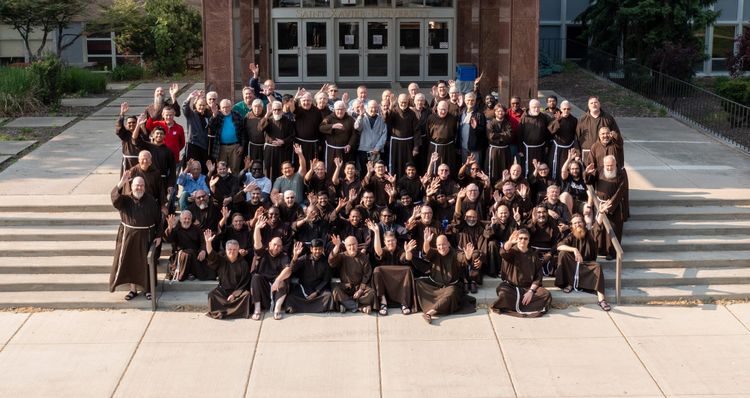
Refettorio Detroit: A new chapter in Capuchin hospitality
Responding to the ever-evolving needs of the community has been a core part of the ministry at the Capuchin Soup Kitchen since its founding in 1929. At the onset of the Great Depression, the friars saw an upswell of need and responded by formalizing what had been a front door ministry at St. Bonaventure Monastery of offering sandwiches or whatever surplus food might be available to those in need. In 1967, the Soup Kitchen responded to a new need by organizing an emergency food and clothing pantry to provide infant formula, diapers and other essential items in the aftermath of the July uprising and subsequent scarcity. Again in 1976, seeing an increasing correlation between poverty and addiction, the Soup Kitchen opened Jefferson House, a 12-bed residential treatment center for substance use disorders.
Dignified Hospitality
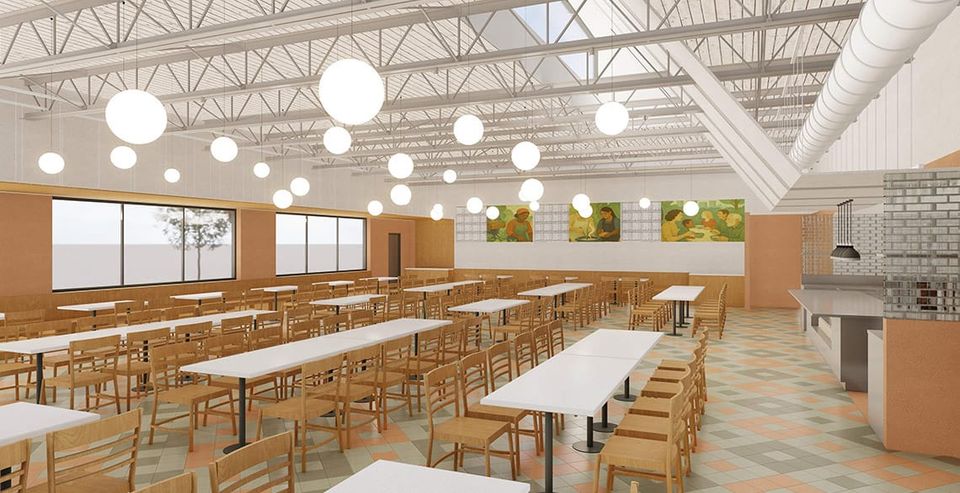
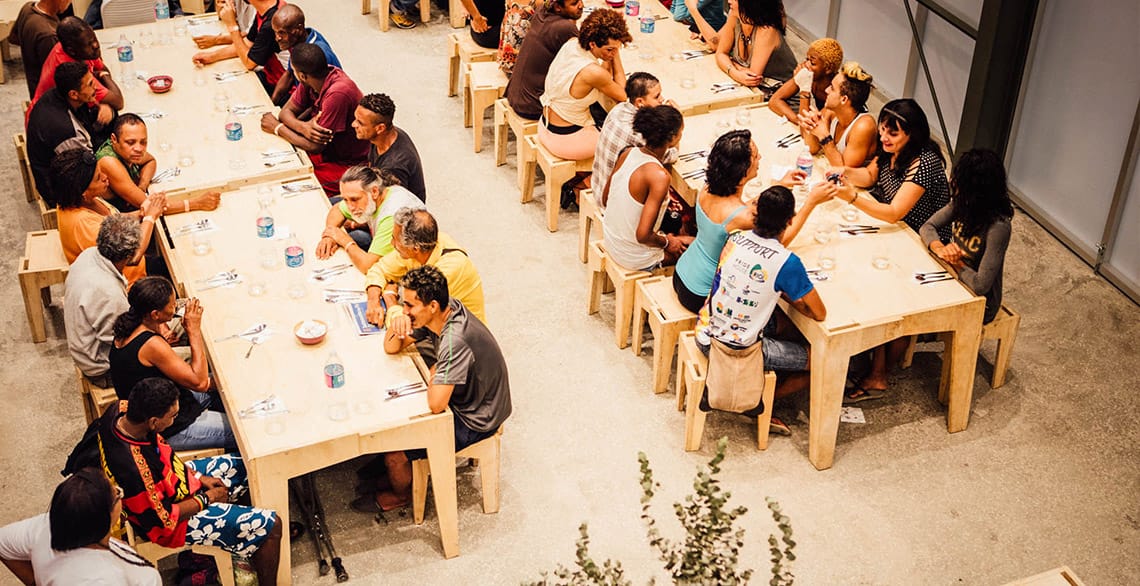
Today, the Soup Kitchen is taking yet another evolutionary step. The Meldrum Community Center, located at 1264 Meldrum Street, kitty-corner from the St. Bonaventure Monastery and the Solanus Casey Center, will become Refettorio Detroit: Capuchin Soup Kitchen. This new model introduces communal seating and a multi-course, sit-down meal service to facilitate connection at the table. In a world where convenience has overtaken community, Refettorio Detroit aims to foster social connection by bringing people together around the table.
A Sustainable Model
The Capuchin Soup Kitchen has long been a pioneer in building a sustainable food system. In the early days, friars and volunteers would “glean” unsold produce from local farms and farmers markets. In 1998, friars and volunteers launched Earthworks Urban Farm as a program of the Soup Kitchen, which has grown into a 1.25-acre certified organic urban farm supplying the Capuchin Soup Kitchen. With Refettorio Detroit, there will be greater focus on reducing food waste by partnering with Detroit-area food rescues and working with local food producers to redirect and reclaim food that would otherwise go to a landfill.
Togetherness Through Design
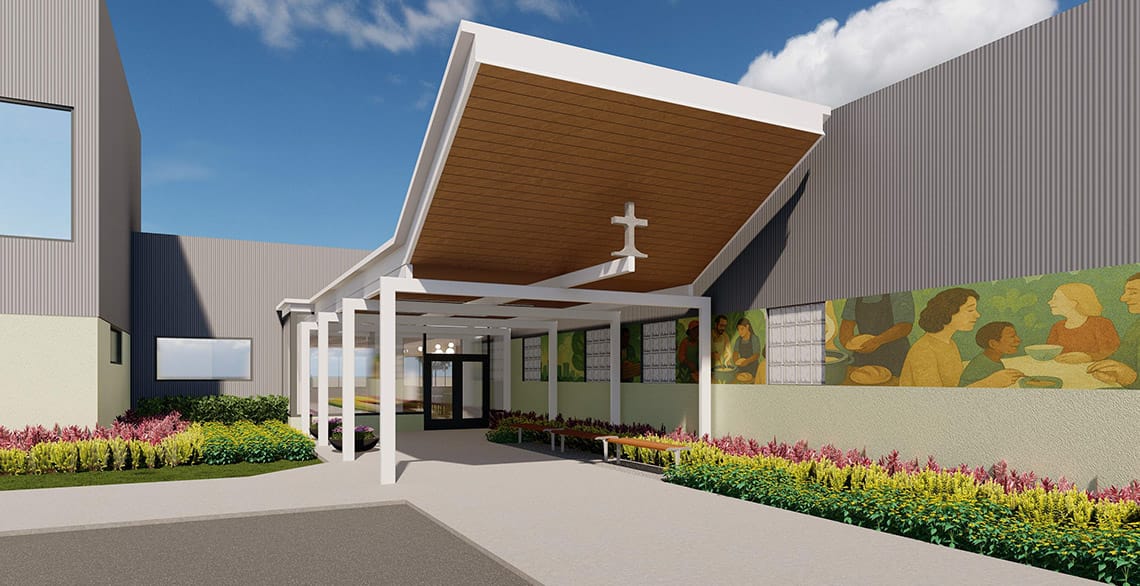
The Meldrum Community Center dining room and exterior will be refreshed with more natural light, wood and other organic materials and artworks. The goal is to build a space that fosters joy, connection and cultural expression, and to do so in a way that is rooted in and lifts up the eastside Detroit community.
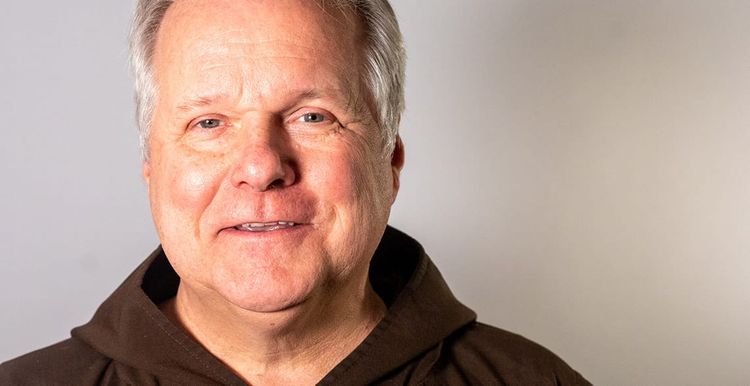
“The Capuchin Soup Kitchen has been part of the fabric of Detroit for nearly 100 years. Generations of families have been part of and have supported the mission,” said Br. Gary Wegner, OFM Cap., executive director of the Capuchin Soup Kitchen. “What started as a simple meal of hearty soup and bread has continued to evolve, and Refettorio Detroit takes the evolution forward into the future as we seek to serve with dignity and respect.”
Partnership Makes it Possible
Refettorio Detroit: Capuchin Soup Kitchen is part of a network of Refettorios around the world. The word itself, refettorio, is the Italian form of the Latin word refectory, which is what we call the dining room in our Capuchin monasteries. To us Capuchins, a refectory is a place where meals are shared, hospitality is felt and community is built. Our partner is Food for Soul, an international nonprofit founded by Massimo Bottura and Lara Gilmore, proprietors of Osteria Francescana, the three-Michelin-star restaurant in Modena, Italy. Food for Soul is partnering with the Capuchin Soup Kitchen to bring its Refettorio model to Detroit. The Soup Kitchen will be just the third Refettorio to open in the United States, joining those in New York City and San Francisco.
Seeing is Believing
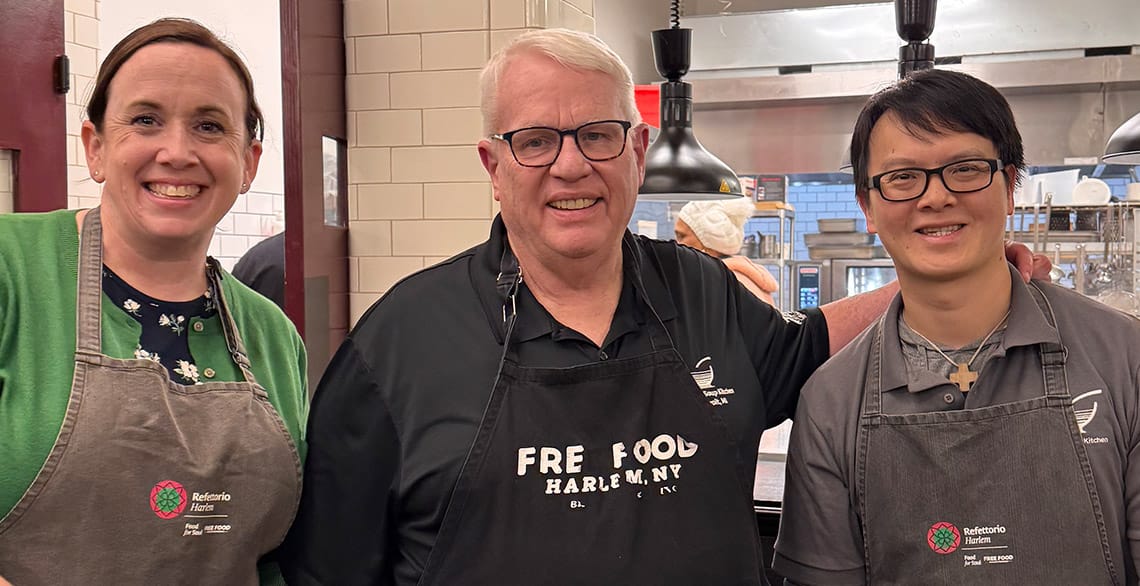
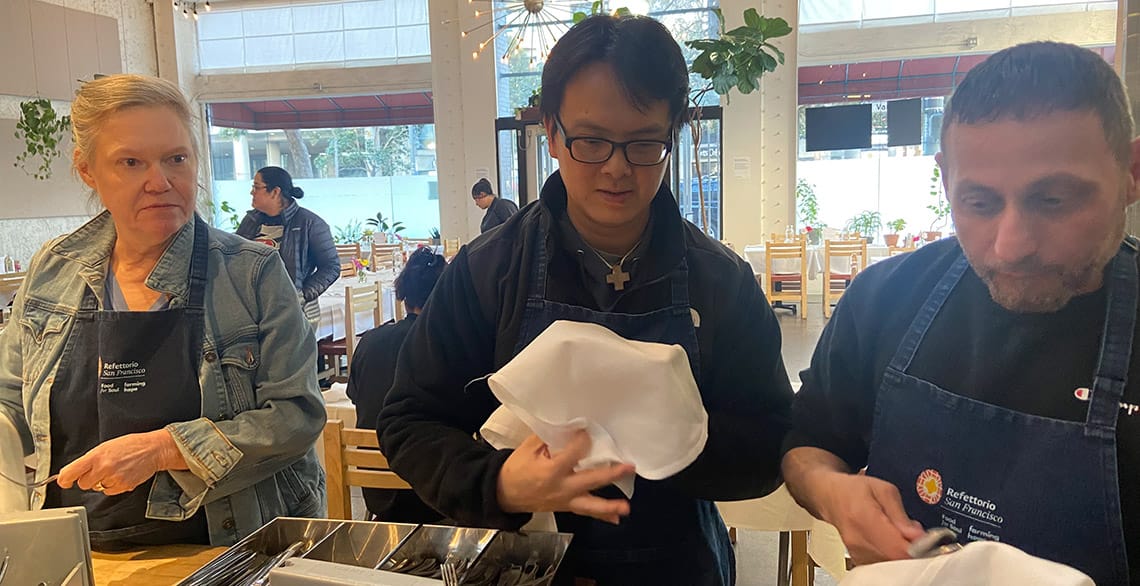
Last winter, the leadership of the Capuchin Soup Kitchen and Province of St. Joseph volunteered at Refettorio Harlem and Refettorio San Francisco: Farming Hope. “The experience of volunteering and seeing the reaction from guests in Harlem and San Francisco was truly remarkable,” said Br. Gary. “Many of the guests expressed their gratitude and shared how the meal ‘made their day.’” Refettorio Detroit is preparing for renovations now with an expected opening date in fall 2026. The project architect is Constantine George Pappas, AIA. The general contractor is Ferlito Group.